Like Telling the Truth
  • 13 Ways: Illustrated Stories
  • About Like Telling the Truth
  • Meet Your Hosts
  • Social Media Links

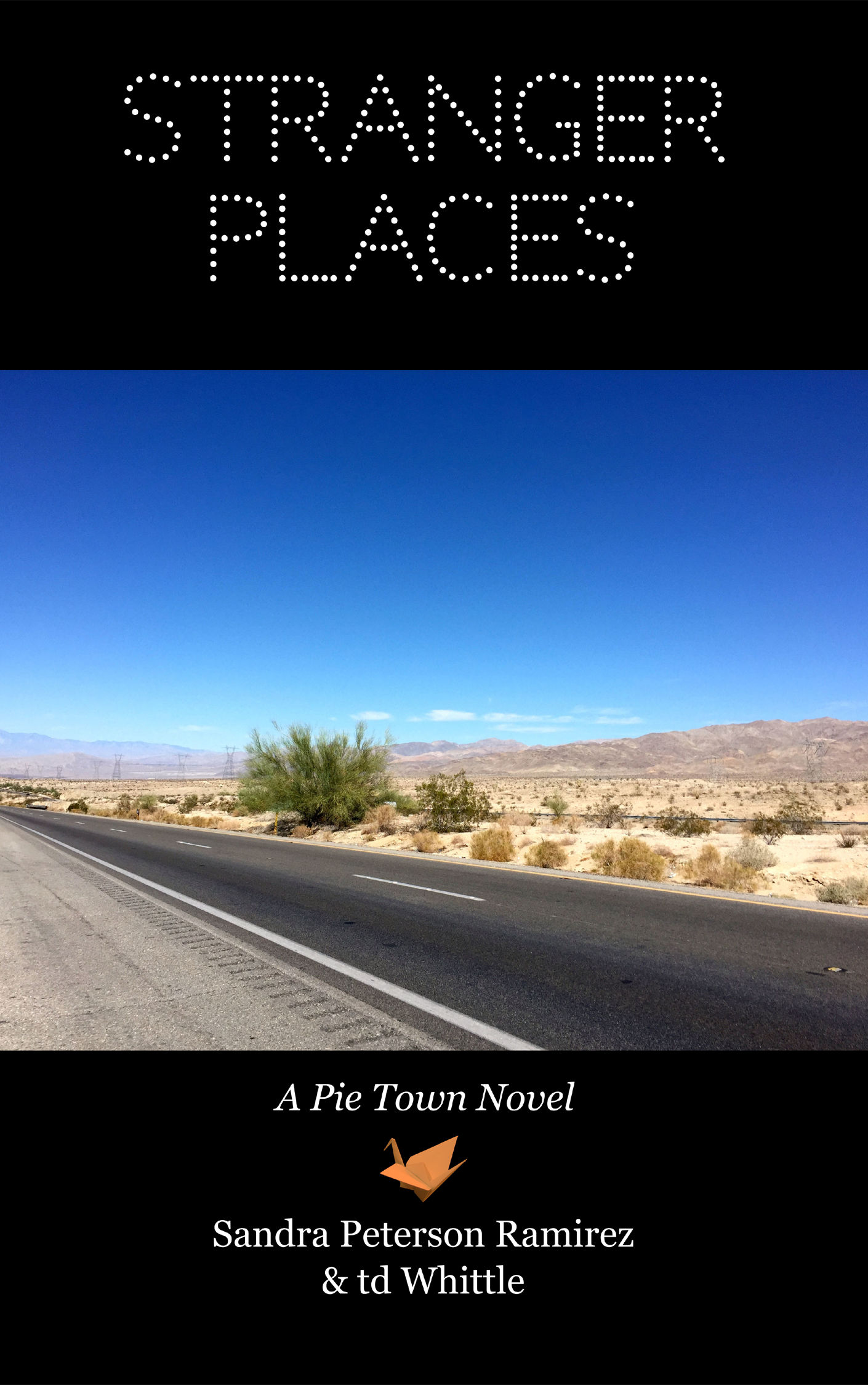
Stranger Places: A Pie Town Novel

td Whittle

Posted on February 1, 2017

Welcome back to Pie Town, Dear Readers!

We are pleased to announce the release of our second book in the Pie Town series: Stranger Places: A Pie Town Novel, available in Kindle and paperback editions. For those of you who enjoyed The Infinite Loop: a novella of spaceships, time warps, and free pie, consider this your invitation back to Pie Town. We’ve introduced quite a few new characters, but you’ll recognize many from the first book too.
 

“The town is talking to you, Ava.”

Ava’s watch has died, and the mobile phone she’s found in her bag reads “No Service.” Her memory is spotty and her imagination running wild.

This isolated town in the West Texas desert is the strangest place she’s ever been.

She isn’t sure she can trust the locals, who range from hostile to strangely familiar. Is she paranoid, or is half the town avoiding her?

Maybe so, but she is intrigued by the town’s architecture, charmed by its quirky inhabitants, and delighted by its endless supply of fresh pie. She believes that the town and its people harbor secrets about her life and, the longer she stays, the more she recalls of the events that triggered her two-year odyssey.

Does Pie Town hold the key to Ava’s lost sense of self? Can it teach her about the nature of time, existence, the universe? Can she finally find love and friendship in this most unlikely of places? To find her answers, she’ll first have to learn to think like the locals, confront her dreams, and survive the motel swimming pool that beckons her into its depths.


Happy reading, everyone!


Sandra and td

Thirteen Ways Press

New Year’s Goals: read all the books and write the other books

td Whittle

Posted on January 13, 2017

Happy New Year, Dear Readers!


We are completing the final edits on our second book in the Pie Town series, Stranger Places, which will be released on or before 14 February. If you enjoyed The Infinite Loop, and you’re missing Pie Town, here is your invitation to return.


In case you’re wondering, it’s not necessary to have read the first book in order to follow the second. Stranger Places focuses on a new character named Ava. Lenie and Rachel, our protagonists in book one, will return later in the series.


Cheers,

td & Sandra

Happy Holidays

td Whittle

Posted on December 24, 2016

Merry Christmas, Dear Readers!


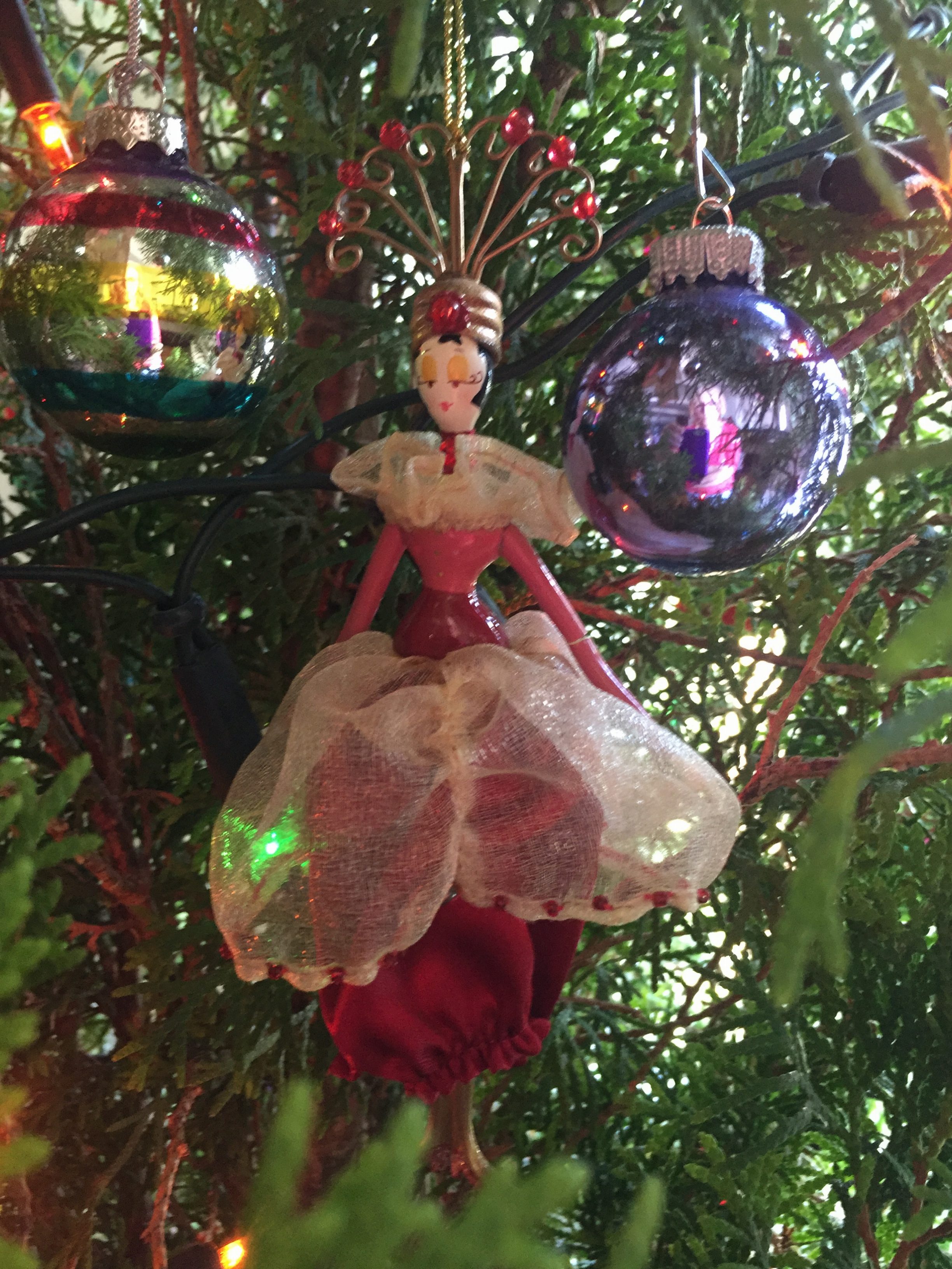
sandras-christmas-display


Clearly, we’ve been on hiatus for a while, having not posted since July of this year. This was not a planned break, but a result of our using our time to focus on our second book in the Pie Town series, which begins with The Infinite Loop: a novella of spaceships, time warps, and free pie and continues with a full-length novel we are calling Stranger Places. We are releasing the Kindle and paperback versions on our before February 14, 2017.


In the meantime, we hope everyone is enjoying time with their friends and family. For those of you who have lost loved ones over the holidays, this year or any other, or who are experiencing your first holidays after a loss, we know this time can be especially hard. We wish you peace, love, faith, and courage.


Cheers,

td & Sandra


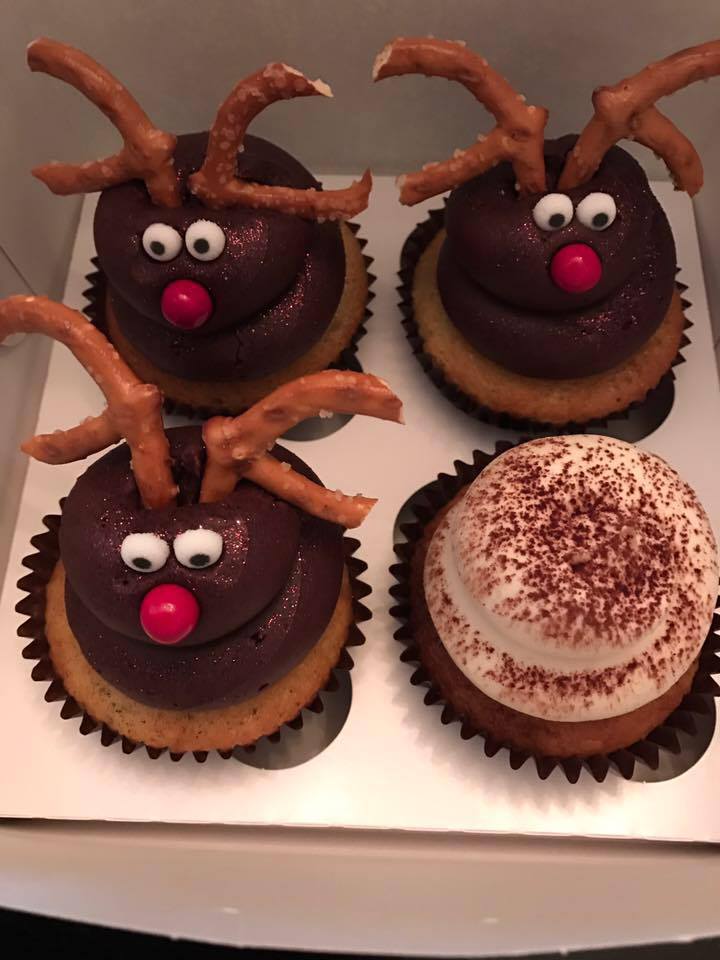
img_0272 sandras-christmas-cupcakes

Book Review: What Is Past Is Dead, by Mohammed Massoud Morsi

td Whittle

Posted on July 8, 2016

What Is Past Is DeadWhat Is Past Is Dead by Mohammed Massoud Morsi
My rating: 4 of 5 stars


The title What Is Past Is Dead (“El Faat, Maat” or “illei faat maat”) seems to mean that one should bury one’s dead, or one’s past, and get on with living. This is an apparently common Egyptian saying, which was chosen for its irony, I believe. For the main character in this first-person narrative, the past is the only thing still alive, and it is palpable. This book is about hard choices and hopeless lives — lives ground down by poverty, violence, war, and desperate measures taken which end badly. Mostly, though, it is a reflection on trauma and the eviscerating grief incurred when one remains alive in the midst of death but is rendered dead, thereafter, in the midst of life.


Morsi’s finesse with beginnings drew me straight into the story and connected me immediately to the characters, who are three young men waiting to make a precarious, illegal, and highly dangerous meet-up with a group of enemy soldiers with whom they plan to make an exchange of drugs for cash and guns. This is happening in the desert just past midnight, in the midst of the Israeli-Palestinian conflict. The tension is breathtaking. The addition of small character portraits to flesh out our narrator and his mates, and a mythic dream-like scene involving a man with a goat, add warmth and tenderness to what could be, otherwise, an overly-macho introduction. (Macho is fine, in its place, but not the best approach to elicit empathy from readers, so the love and kindness depicted in such moments were just the right touch.)


This is a hard read, I have to say. Although it is fiction, the narrator’s voice reads authentic and the situations described, as we all know, are real enough. The war, the poverty, the desperation, the violence, the genital mutilation of young girls: all of these things are real and are currently happening in our world. So, it doesn’t matter much that this particular story is not “real” because we are affected by it nonetheless. It is potent and it is personal. That is the best thing about this novella: it is an intimate portrait of one man’s life. Had Morsi painted this work on a bigger canvas, it would not have worked nearly so well as what he has done instead, which is to present us with a very fine cameo. He invites the reader to lean in and listen closely to the quiet and tender voice of one man telling his tale.

Book Review: Big Magic, by Elizabeth Gilbert

td Whittle

Posted on June 20, 2016

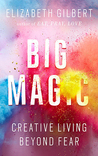
Big Magic: Creative Living Beyond FearBig Magic: Creative Living Beyond Fear by Elizabeth Gilbert
My rating: 5 of 5 stars


I have to admit to being very surprised at how much I enjoyed Big Magic, as it was given to me as a gift and I did not expect much. (Then again, it was given to me by my best friend, who knows me.) Until now, I have not followed Elizabeth Gilbert’s career or been a fan of her work. That’s all changed now. I love this book! (Insert hearts, rainbows, unicorns, Hello Kitty and Pusheen emojis, etc.) I received the audio version, read by the author, and was pleased to find that she is an excellent reader of her own work.


What I like best about this book is that you can engage with it on whatever level you like and come away feeling enriched, no matter what you choose to leave or take away. One on level, it is all mystery and metaphysics, but on another, it is excellent practical advice for living your creative life. You do not need to embrace Gilbert’s spiritual perspective to appreciate her advice, and she does not expect or demand that you do so. This is what makes her likable. (There are few things I find more tedious than spiritual over-sharers who insist on the utter rightness of their worldview.)


So, there are readers who will be inclined to accept Gilbert’s whimsical notion that ideas are sentient entities — something akin to butterflies — that choose when to land on us and when to fly away, and there are those who will be inclined to think this is a beautiful metaphor and useful in its way, even if they do not accept it as a real-world perspective. Either way, it works. The point is to remember that what feels lively and vital today may be dead in the water a week, a month, or a year from now, so best act while you can. As someone who has returned to the cold dead embers of half-finished projects that were still burning hot when I left them, I can attest to this.


The book is full of pragmatic wisdom learnt through the author’s own trials and triumphs, which lends her credibility. Whether or not you like her books, you might like what she has to say about commitment to your art (and the excellent advice not to expect your art to support you), staying with it even when you feel like you will never be any good at it (because that’s love), coping with rejection again and again and again, and keeping the humour and lightness in your life while doing so.


I think it’s good to be reminded of these things. As Alain de Botton said in one of his books (Religion for Atheists: A Non-Believer’s Guide to the Uses of Religion, if memory serves), human beings need to be reminded of life lessons over and over and over again. This is why we email memes to each other and post them all over Instagram, FB, Pinterest, Twitter. This is why we put post-it notes all over our refrigerators and desks saying things we all already know, right? Often, these are silly themes to remind us to lighten up and laugh. Just as often, they are cliches and life lessons about love, friendship, loss, belonging and not belonging, and keeping hope alive in hard times.


This book’s chapters are a bit like those memes, covering familiar topics that we need to be reminded of, that have to do with honouring our human instinct to make stuff just for the sheer joy of it. Sure, hunting the woolly mammoth and learning about fire were crucial to our survival as a species, but it’s obvious that painting the cave walls was important to our ancestors too, even though there was no chance at all of a gallery in New York offering a show.


If you get absolutely nothing else out of the book, I would say it’s worth reading or listening to for the anecdotes about the bull elk and the lobster. These are such good stories, you will wish they were yours and share them with pleasure. (I trust I am not the only one who had to tell at least two people these stories immediately upon hearing them because they are so amusing.) Having said that, I believe Gilbert has offered us a great deal more than that. Big Magic is a treasure chest of good advice for writers and other artists and, even if you’ve heard it all before, you have not heard it the way she tells it.


Another aspect of this book that I appreciate is that Gilbert reminds us to approach our creative work with a sense of playfulness and pleasure, which is such a wonderful antidote to all the melodrama that flies around the net where writers speak as if working on their novels were drudgery akin to coal-mining in 19th century Ireland, or life on a chain gang. I, for one, am bored to death by this posturing. I think that these people have not had much hardship in life if their big whinges are any of the following: not making money from their writing, the horrors of editing their manuscripts, the evils of the unappreciative marketplace, etc. (There are plenty more, but I will stop there.)


I wonder sometimes if these people are serious, and find them impossible to avoid on any social platform that focuses on writing. But you know, unless you are twelve and have led an enchanted existence so far, complaining about such things makes you sound ridiculous. Even if you haven’t ever faced anything genuinely dire, don’t you ever go outside or read the newspapers? Elizabeth Gilbert apparently shares my irritation at this hype and its related writing advice, such as the infamously misquoted, “Simply sit down at the typewriter, open your veins, and bleed,” * and an equally popular comment (likewise violent) that to edit well you must “kill your darlings.”


Well, perhaps this is sometimes true about opening veins. If you happen to be writing a genuine memoir (as opposed to the big fat lies that sometimes get published as memoirs) of your life as an abused child, a refugee from a war-torn country, an escapee from a psychopathic killer or malicious husband, a person struggling with chronic illness, or a person trying to heal after the death of your spouse or child, then you might feel like you are bleeding out. Rifling through your traumatic memories is potentially re-traumatising and inevitably painful. This would apply also to folks writing nonfiction based on real events that are horrific and traumatic. However, in my experience, these are not the people who go around saying this stuff. So, if you go around quoting this, you will probably sound like an hysterical adolescent.


As for the rather extreme and dubious necessity of “killing your darlings,” I would say that depends entirely on what type of writer you are aspiring to be. There was one Hemingway and one Carver. Hemingway was good at being Hemingway and his minimalism worked beautifully, for him. Carver was one Carver with his editor, and another Carver without. I would say Carver’s editor killed many of his darlings; whether or not the stories are better for it is a matter of opinion. Having read both versions, I would not be willing to say either way. They read like entirely different tales by two different authors.


I am glad to have heard the audio version as I believe Gilbert’s warmth and grace really shone through her reading of her book. However, it is impossible to highlight favourite passages on an MP3 file, so I have ordered myself a paperback copy too. Either version would be a fine gift for yourself or your writerly friends.


* The quote is often attributed to Hemingway but seems originally to have come from journalist Red Smith, who was asked if turning out a daily column wasn’t quite a chore. “Why, no,” dead-panned Red. “Simply sit down at the typewriter, open your veins, and bleed.” It was a joke, people, not advice.

Book Review: Hangsaman, by Shirley Jackson

td Whittle

Posted on June 10, 2016

HangsamanHangsaman by Shirley Jackson
My rating: 5 of 5 stars


This is a quote from Shirley Jackson’s NYT obituary:
“Because Miss Jackson wrote so frequently about ghosts and witches and magic, it was said that she used a broomstick for a pen. But the fact was that she used a typewriter–and then only after she had completed her household chores.”


Jackson had an abiding interest in magic, myth, and ritual. She collected grimoires and cats, and allegedly enjoyed gossip about her being a witch.* Whatever spells she used, the typewriter under the influence of Jackson’s magic fingers produced spooky masterpieces, of which Hangsaman is a shining example. I feel that way about The Haunting of Hill House and We Have Always Lived in the Castle too, as do all Jackson fans.


Hangsaman drew me in initially with its subtle black comedy. This is a Jackson version of a coming-of-age tale featuring an eccentric but bright seventeen-year-old girl named Natalie Waite who struggles with the usual problems of late adolescence, but who has unique methods of dealing with them. As we follow Natalie through her first few months of college life, the comedy persists until about two-thirds of the way through (mostly thanks to hilarious letters sent to Natalie by her father) when it is swallowed up entirely by a sense of coming doom.

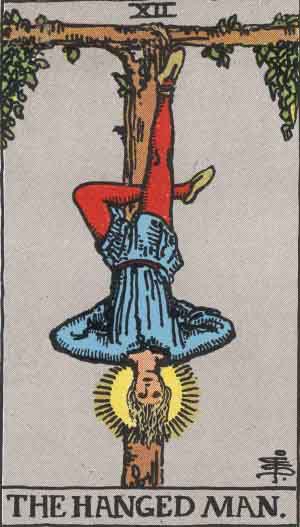
The Hanged Man as depicted in the Rider-Waite-Smith Tarot Deck, originally published in 1910.

The Hanged Man as depicted in the Rider-Waite-Smith Tarot Deck, originally published in 1910.

Natalie draws the reader slowly and inexorably into her world, as seen through her eyes. Her eyes, though! We don’t know what to make of them. Is she seeing things as they truly are, or is she going mad? On the one hand, Natalie is brimming with the joy and hope of youth, anticipating a brilliant future where her genius will at last shine through and her significance as a person and (hopefully) a writer will be recognised. On the other hand, she suffers acutely from the dawning realisation that she is a social misfit, regarded with wariness by some and made use of by others, but never embraced with affection. In short, she has no friends and no prospects of friendship. It occurs to her that this might actually matter, in the long run; that perhaps a person requires friends and some kind of support to thrive in the adult world. Natalie’s growing sense of displacement, paranoia, and loneliness eventually become our own. We fear for her as we might have for ourselves at her age, or for our own children when they are out in the big world, on their own.


Jackson is masterful at description, pacing, and dialogue. She paints a lurid world over the placid canvas of a New England women’s college campus, circa 1945-1950, but she doesn’t overplay it. Jackson allows us to experience Natalie’s heightened emotions and sense of expectation (always wondering will it be wonderful or terrible, the next thing that happens to me?); but these feelings are attenuated and becalmed by the light and colour and noise of the quotidian world around her. That is, until she leaves that world. About three-quarters of the way through the novel, Natalie follows a convivial pied piper out of town and, at first, we think this is a good thing. But then, typical of Jackson’s writing, the reader finds herself mired in psychological horror that is only barely tolerable. This is the sort of thing O’Connor and Oates do so well too. However, I am happy to say that, unlike O’Connor or Oates, Jackson does not leave us with a dead girl in the end, but with one who steps back from the precipice in the nick of time.


Rumour has it that Hangsaman is based on a story about a young college girl at Bennington who went missing in 1946, but Jackson’s biographer dismisses that claim. Having read the little information we have on Paula Jean Welden, I don’t see any connection except that both girls attended Bennington College and both were depressed (reportedly, in Welden’s case).


If, like me, you are a Shirley Jackson lover, I highly recommend this essay by Benjamin Dreyer, who explains eloquently what makes her one of the finest writers in American literature. I think this description, from an article by Sarah Weinman, is also apt: “Shirley Jackson—author of . . . a number of masterpieces in an eerie, minor key—”


It’s haunting, that key.

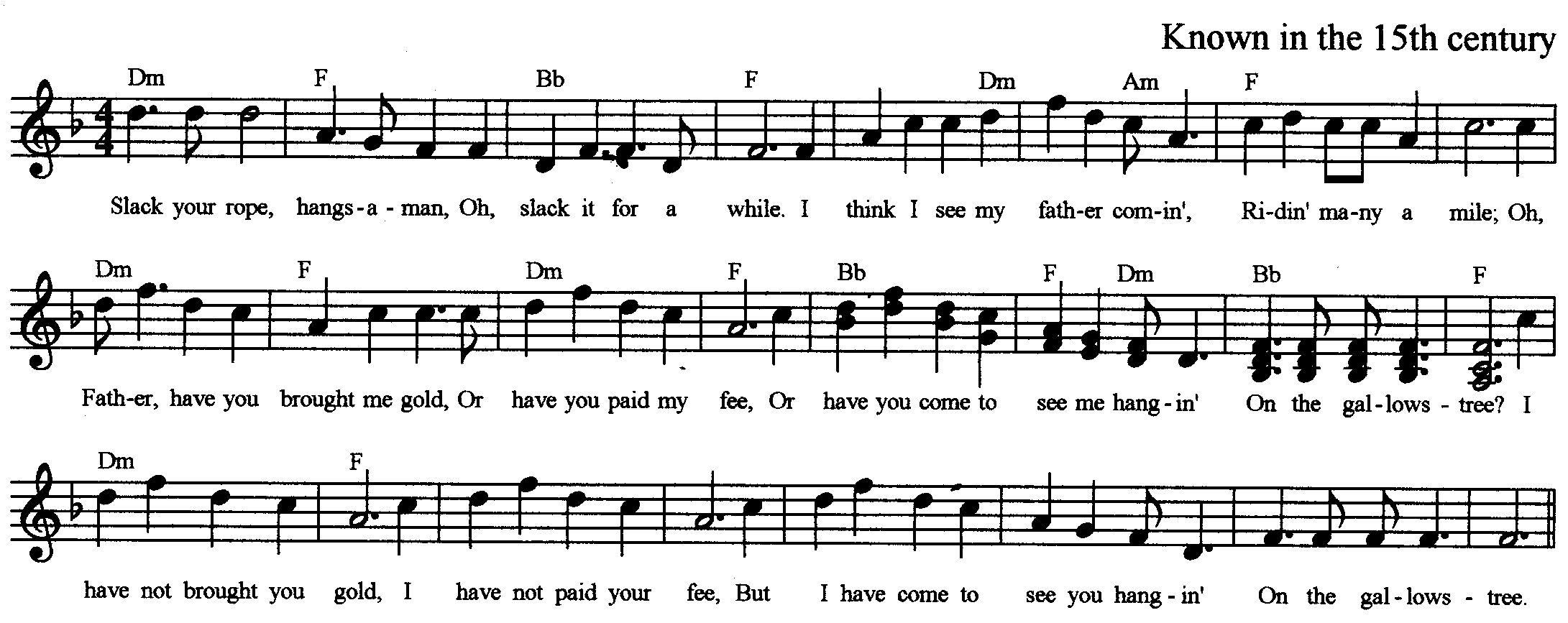
The Gallowstree, a folksong

The Gallowstree, a folksong

Slack your rope, hangs-a-man, oh, slack it for a while
I think I see my father comin’, ridin’ many a mile
Oh, father, have you brought me gold, or have you paid my fee?
Or have you come to see me hangin’ from the gallows-tree?
I have not brought you gold; I have not paid your fee;
But I have come to see you hangin’ from the gallows-tree.


Slack your rope…
I think I see my mother comin’…
Oh, mother, have you brought me gold…


(repeat substituting “brother” for mother)
(repeat substituting “sister” for mother)
(repeat substituting “cousin” for mother)


From miriam berg’s folksong collection


* Please note: I am linking to this article by Joan Schenkar because it makes a few interesting claims. However, I doubt the veracity of the whole piece, even though the author is a well-known playwright and biographer. It seems to me a self-congratulatory essay written at the expense of Hyman and Jackson, and it makes the dubious claim that Jackson read the essay writer’s thesis while the student was at Bennington College, taking courses under Hyman (Jackson’s husband and a then-famous literary critic and intellectual). The real clangor in this claim is that the author was supposedly born in 1952. Shirley Jackson died in 1965, which would have made Shenkar thirteen years old at the very most when she claims to have been a regular visitor at the Hyman-Jackson home and to have had the pleasure of Jackson complimenting her thesis.


Remnants: A Fairy Tale from the Wombly Wood (part one)

td Whittle

Posted on June 1, 2016

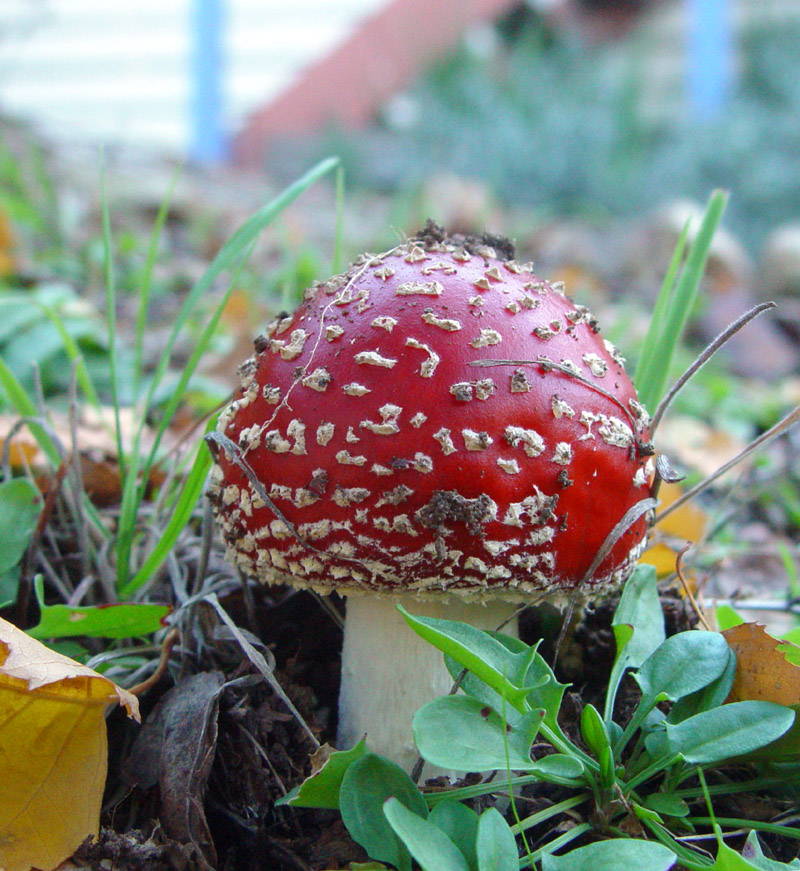
DSC00854-Amanita-muscaria-800x871


Bonk propped his feet up on the old wine cork that sat in front of the couch in the home he shared with his wife, Trellis. Having just eaten two fly kebabs, he was well stuffed and ready for a relaxing evening. Trellis smiled at him and suggested fire and music. They had recently wrangled a recording of butcherbird and currawong songs from a family of magpies, and this was their new particular favourite. During the spring just passed, Dody the fox had dragged a pink plastic radio-and-cassette player over to their caravan park from the local rubbish tip but only the magpies and ravens had been able to figure out how to make the thing work. This had surprised no one, as it had been these same residents who’d hacked into a co-axle cable from the local petrol station. The man who ran the station, even had he not been an inattentive and drunken sort, would never have suspected, since the birds had been clever enough to intercept the feed before it reached the meter. As a result, the animals had a regular supply of electricity, which they used sparingly. They often left gifts they’d gathered from the wood over at the petrol station, in appreciation for the stolen watts: edible mushrooms and berries, beautiful pine cones, discarded feathers, and even an occasional silver or gold coin dropped by some long-gone human.


The Rimey Times caravan park was a retirement home for aged creatures who had spent their working lives in various community-wildlife posts and were now enjoying gracious living at the edge of a small forgotten lake, in a remote section of the Wombly Wood. At one time, the wood and its surrounding area had bustled with tourists on holiday, who would camp, hike, swim, and entertain their children with marshmallow roasts and wildlife spotting. But several years back a bypass had been built and the local highway left to rot, while the tourists had found other places to visit. Within two years, the wood had come to feel like a place that had fallen off the world’s maps. The nearby town had always struggled to survive and the bypass had been the final blow to the local economy that had sent most of the locals packing; all except those too sentimental, stubborn, or poor to go elsewhere. The Rimey Times’s only neighboring establishment was the petrol station and milk bar that serviced occasional drivers-by on the desolate highway, whose owner spent most of his time drinking beer and watching telly in the ramshackle caravan that he kept parked next to his business. Old Jake had been planted in that spot for thirty years and had no intention of leaving, no matter what everybody else did. The animals considered him harmless. He was not a hunter or arsonist or litterbug, and he had never been accused of any unkindness towards local wildlife. He had an old beagle who lived with him, who was likewise harmless and rather well liked by the Rimey Times group.


Once the humans had cleared out, the permanent inhabitants of the Wombly Wood had begun to reclaim their home. Scurrying out from under bridges, slithering from beneath logs and rocks, hopping out of ponds, swooping down from trees, they came together one evening at late dusk, as a full moon rose in the east. The animals of the wood were, for the most part, a united group, their ancestors having formed a pact to protect and preserve their ecological birthright from the inevitable destruction brought about by humans constantly trampling through their land. Like all living things, they wished to survive, and for their wood to remain healthy and life-sustaining.


This creaturely alliance worked, in most ways, but tensions between predator animals and those they preyed upon could not be helped. For this reason, the predators remained outsiders, quiet loners who contributing generously to the well-being of the wood by scaring off interlopers, clearing out rubbish left by the humans, and collecting things needed by the other animals. Dody the Fox was one such creature. The rabbits did not like Dody, which was understandable since they were her main food source, but she was a friendly and helpful fox with no family of her own, who enjoyed lending a paw where she could. This is how she ended up at the Rimey Times, where most of the residents were either naturally vegetarian or eschewed the eating of other living creatures. The wood’s worms and insects, being incapable of higher-level communication, had not been consulted on the question of whether they were suitable food for vegans, and so were considered fair game.


Rimey Times had once been a booked-out holiday caravan park for humans. Being resourceful, the animals had made good use of its abandoned infrastructure, re-purposing the objects left behind, as well as scavenging other useful supplies from the local tip. Over time they had created a pleasant and comfortable home for themselves and had assigned Bonk, a natural manager, as their overseer.


Bonk was a pobblebonk, otherwise known as an eastern banjo frog, who had spent his working life tucked under an everlasting toadstool that had been there for as long as anyone could remember, at the edge of the creek near the main entrance to the wood. From this spot, he would keep an ear out for danger and be prepared to alert the other animals. The bonking sound he made had been intended as a warning, rather than a mating call, and yet it had been just such a series of bonks that had alerted Trellis to his presence. Trellis was a young troll whose new job it had been to guard the sturdy hardwood bridge that passed over Bonk’s creek, from her post in the shadowy bracken undergrowth beneath the bridge. The bridge had been heavy with human traffic, in those days. The bonking call of an eastern banjo frog, under ordinary circumstances, should not have lured this tiny troll away from her post and up the creek, where she stood stock still, gazing upon Bonk with dull orange eyes and feeling, for the first time, the stirrings of love. So perhaps these circumstances were not ordinary.


Bonk had not known what to say. Seeing her standing there, this grey-green troll with bumpy muted-orange spots, dressed in a pink tutu she’d scrounged off a Barbie found in the water under her bridge, Bonk’s bonking had dried up in his throat. He, too, felt a stirring. She was small for her kind, being no larger than himself. And, though her form was that of a troll and his that of a frog, their colours and markings were astonishingly similar. He, too, was grey-green with bumpy muted-orange spots. Even their eyes matched. Her irises, like his, were the same orange as her spots, and her pupils, like his, were enormous and inky black.


Well, odder things have happened, and inter-species romances were not entirely unheard of in the Wombly Wood. But this love-match of frog and troll did cause a stir among the animals and, even all these years later, remained a source of wonder and amusement. What kept the old-timers talking was not so much the scandal as the fact that Bonk and Trellis’s bond had proved true and had never grown cold or contemptuous. They were a local legend, these lovers, as adoring of one another now as they had ever been, regardless of his hop having lost most of its pep, and her spots having faded.


On warm evenings, the couple could often be found sitting by the lake holding hands, watching the sunset. On cooler nights, such as now at the brink of winter, Bonk and Trellis were more likely to sit under the carport of their refurbished Barbie van, warmed by a small fire built in a baked-beans tin, and listen to recorded birdsong while chatting amiably to one another. Frequently, Dody would join them, forming a strange but affectionate trio.


Trellis was just reaching up for the on switch that would start up the butcherbird-currawong chorus, when she was startled by the sound of a twig snapping behind her.


“Pssst . . . Trellis, it’s me!”


Trellis glanced up to see her friend Monty, a gang-gang cockatoo, smiling down at her. But then, Monty always seemed to be smiling.


“There’s a gathering on tonight, under the moon, over by your old bridge. The birds are landing in droves, and all you lot from Rimey are invited. Big news coming to the wood, big news.”


Trellis cocked her small green head at Monty and cocked one brow up at him. With Monty, everything was big news.


“Really? Because we were just about to settle in for some music and fire, and Dody’s going to come round. So you mean this is truly big news and not just the birds getting all worked up over nothing?”


“The way I hear it, it is BIG big news. Changes coming, big changes. The swans have the full story though, so I don’t know the details. All I know is something to do with a witch, a WITCH, A WITCH! And not a white witch either, no fairy godmother this one. She’s dark as death, to hear them tell it.”


Trellis laughed.


“A witch? Right. A witch. Well, that is big news. Monty, are you crazy? I don’t believe in witches, and neither should you.”


“But . . . ” Monty hesitated.


“But, but, but . . . go on, say it. I know you’re thinking ‘but you are a troll and no one believes in trolls either’, and you’d be right about that. But I know trolls are real because I am one and I come from a long line of them. How many witches do you know? I ask you that. Seriously?”


Monty was thoughtful for a moment and then said, “You may be right, I don’t know. But the swans are serious people, not silly gossips like the geese and . . . well . . . like me. If the swans say there is a dark witch moving to our bright and happy wood, and that we should make a plan, then I believe them! And at the very least, I should think you would want to come to the gathering to hear what they have to say. Even the snakes and turtles are coming, and you know how standoffish they can be. The water rats are setting up a moon picnic — always such a sense of occasion, that lot. At the very very least, you’ll get to see folks you haven’t seen in a while, and it just might be fun. Bring Dody with you, she’ll be welcome too.”


Monty flew off and Trellis was left staring at the branches where he’d been, watching the last wisps of pink and orange fade into the coming twilight. She popped her head into the van and called for Bonk, and within ten minutes, they’d gathered Dody and were heading for her old bridge. When they arrived, the three of them were surprised by the enormity of the turnout. Whole families had come, so children were hopping and waddling everywhere, their parents frantic to keep them in the clearing and as far as possible from the predators in attendance. Although the woodland gatherings and the time it took to travel to and from these events had been officially enshrined as hunt-free zones, it was not unknown for some young fox or owl to temporarily lose his mind and attack, even knowing that the penalty was banishment from the wood.


Dody leapt onto a flat-topped boulder with Bonk and Trellis perched on her back, where they would have a good view of the evening’s speakers, two popular swans named Hans and Parsifal. As the full moon rose, all of the animals settled down around Trellis’s old bridge, a hush falling over them as they waited for the swans to appear there, eager to hear the story that was already taking form in their minds as The Coming of the Dark Witch to Wombly Wood. They had come for a party, or to satisfy their curiosity, or merely for an evening’s entertainment. They had not come for the real story they were about to hear, the story that would change everything, forever.


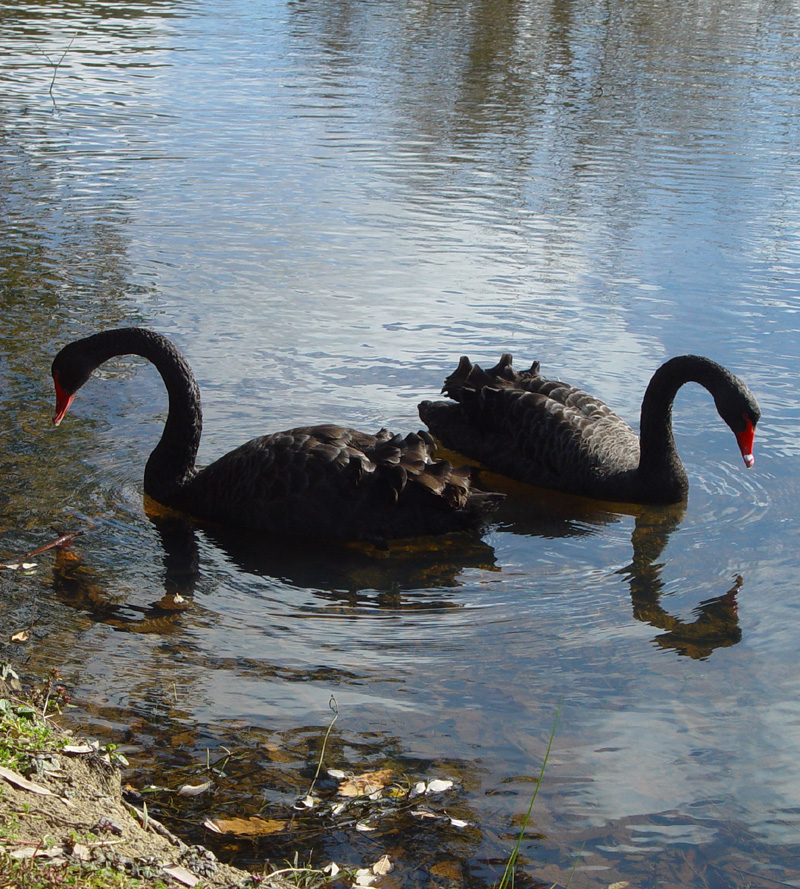
DSC00870-800x889


To be continued . . . 

Book Review: Three Hundred Words, VI January, by Christopher Yurkanin

td Whittle

Posted on May 18, 2016

Three Hundred Words, Volume I, JanuaryThree Hundred Words, Volume I, January by Christopher Yurkanin
My rating: 5 of 5 stars


This collection of historical-fiction essays by Christopher Yurkanin is a real pleasure to read. I liked that each piece is limited to three hundred words, as this constraint provided a solid frame for the writer to build his tales, with no extraneous pieces. (So, quite unlike Ikea DIY purchases, where extra bits are found under your bookshelf while you pray the thing will hold together with a few bolts missing.) I liked, too, that I learnt a lot, and that the teaching was done with a light and deft touch. The best part, though, is that there is a little surprise at the end of each story, where the reader gets an “Aha! I knew that person was familiar, but couldn’t place him!” Sometimes, I did know who the story was about, the facts hidden within the plausible fiction, but most often, I did not, so it was rather like finding the treat in a box of Cracker Jack. As these pieces were written as standalone works within an overarching theme and structure, I read them one at a time (or, at most, three at a time) over several weeks. I found that quite a few of the stories inspired further reading, to learn more about the persons and events described. Many are quite funny, and some tragic, but all enjoyable in their own way.

On things unreal, but true.

td Whittle

Posted on April 18, 2016

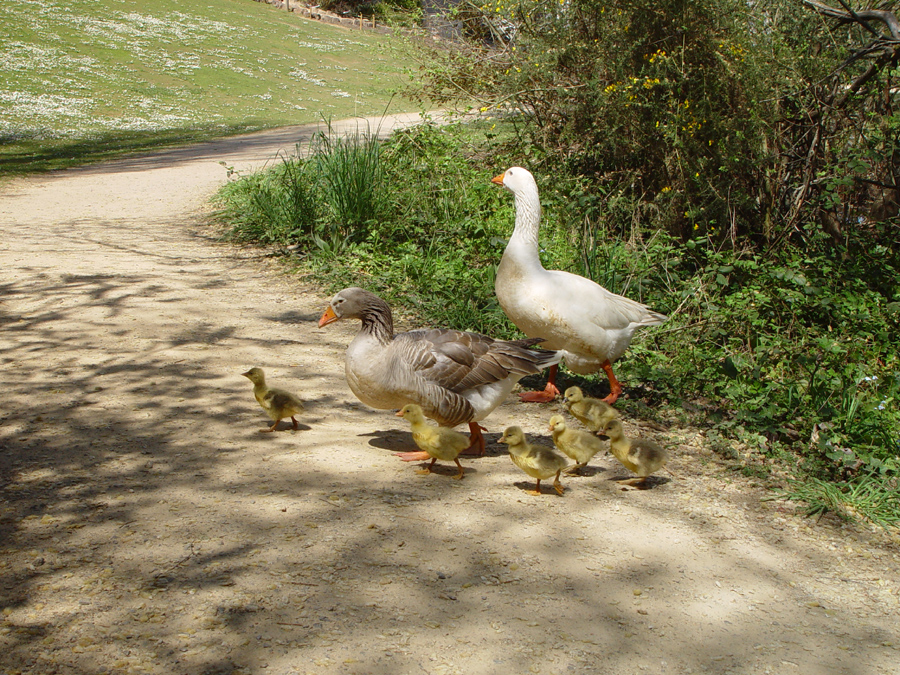
DSC00201-Goslings-by-Daylesford-Lake-Oct2015


“The child intuitively comprehends that although these stories are unreal, they are not untrue . . . ” Bruno Bettelheim, from The Uses of Enchantment: the Meaning and Importance of Fairy Tales. Published December 1986 by Alfred A. Knopf, Inc. (First published 1975.)


We Pay Our Fare in Apples Here
by Megan Arkenberg


Everything in this station has a story, he said.
The walls are curved in such a way that the echo
of a penny dropped in the exact center of the tunnel
sounds like an apology from your late father.
If you crawl beneath the turnstiles in the wrong direction
the next train you board will take you
to every place you’ve ever forgotten,
and the ride will last for seven years.
One time, a woman fell off this platform
and touched the edge of a rail.
She turned into a swan.
Commuters find feathers in their briefcases,
sometimes. They always smell like summer.


goslings-DSC00190-Oct2015


goslings-DSC00191-Oct2015


Photos taken by Robin Whittle, at Lake Daylesford, October 2015.

Poem source here.

A tree forms itself

Sandra Peterson Ramirez

Posted on March 16, 2016

Dead and Alive Oak Trees


Winter, Spring
by Jim Harrison


Winter is black and beige down here
from drought. Suddenly in March
there’s a good rain and in a couple
of weeks we are enveloped in green.
Green everywhere in the mesquites, oaks,
cottonwoods, the bowers of thick
willow bushes the warblers love
for reasons of food or the branches,
the tiny aphids they eat with relish.


Each year it is a surprise
that the world can turn green again.
It is the grandest surprise in life,
the birds coming back from the south to my open
arms, which they fly past, aiming at the feeders.


Sabbaths IV (1999)
by Wendell Berry


What a consolation it is, after
the explanations and the predictions

of further explanations still
to come, to return unpersuaded
to the woods, entering again
the presence of the blessed trees.
A tree forms itself in answer
to its place and to the light.

Explain it how you will, the only

thing explainable will be
your explanation. There is
in the woods on a summer’s

morning, birdsong all around
from guess where, nowhere
that rigid measure which predicts

only humankind’s demise.


*****

Photo by Sandra Peterson Ramirez.

« Older entries    Newer entries »

13 Ways: Illustrated Stories

13 Ways: Illustrated Stories

Click on the cover to buy 13 Ways via Amazon.

The Infinite Loop

The Infinite Loop

Click on the cover to buy The Infinite Loop via Amazon.

Stranger Places: A Pie Town Novel

Stranger Places: A Pie Town Novel

Click on the cover to buy Stranger Places via Amazon.

Amazon Services LLC Associates

We are a participant in the Amazon Services LLC Associates Program, an affiliate advertising program designed to provide a means for us to earn fees by linking to Amazon.com and affiliated sites.

Categories

  • 13 Ways: Illustrated Stories
  • Book Reviews and Essays
  • Fairy Tales
  • Ice Cream Stories
  • Life Unfolding
  • Miscellany
  • Music Videos
  • Photo Essays
  • Photo Poetry
  • Photo Sets
  • Random Recipes
  • Thirteen Ways Press Publications
  • Uncategorized

Quotes

T.D.’s quotes

"I have always found that actively loving
saves one from a morbid preoccupation
with the shortcomings of society."— Alan Paton

Goodreads Quotes

Recent Posts

  • Killing Commendatore, by Haruki Murakami
  • Book Review: Tales From The Inner City, by Shaun Tan
  • Book Review: The Garden of Evening Mists, by Tan Twan Eng
  • Book Review: The Thin Man, by Dashel Hammett
  • Book Review: Moon Magic, by Dion Fortune

Archives

  • October 2018
  • September 2018
  • July 2018
  • June 2018
  • January 2018
  • December 2017
  • November 2017
  • July 2017
  • June 2017
  • February 2017
  • January 2017
  • December 2016
  • July 2016
  • June 2016
  • May 2016
  • April 2016
  • March 2016
  • December 2015
  • October 2015
  • September 2015
  • August 2015
  • June 2015
  • March 2015
  • February 2015
  • January 2015
  • December 2014
  • November 2014
  • September 2014
  • August 2014
  • July 2014
  • June 2014
  • May 2014
  • April 2014
  • March 2014
  • February 2014
  • January 2014
  • December 2013
  • November 2013
  • October 2013
  • September 2013
  • August 2013
  • July 2013
  • June 2013
  • May 2013
  • April 2013
  • March 2013
  • February 2013
  • January 2013
  • September 2012
  • August 2012
  • July 2012
  • June 2012
  • May 2012
  • April 2012
  • March 2012
  • February 2012
  • January 2012
  • December 2011
  • November 2011
  • October 2011
  • September 2011
  • August 2011
  • July 2011
  • June 2011
  • May 2011
  • April 2011
  • March 2011
  • June 2010

Meta

  • Log in
  • Entries feed
  • Comments feed
  • WordPress.org

Return to top

© Copyright 2011

Duet Theme by The Theme Foundry